Anniversary of the Russian Climate Partnership: 10 years in the interests of a common future
05/29/2025

Anniversary of the Russian Climate Partnership: 10 years in the interests of a common future
The Climate Partnership of Russia Climate celebrated its 10th anniversary by presenting the results of a study on the role of the climate agenda in Russian companies' strategies. The study was conducted with the help of the research agency Data Lab, part of the AGT Communications Group. As Olga Sanarova, the Partnership's coordinator, noted, the 10th anniversary has been a time of challenges and significant changes for Russian businesses, but the climate agenda has always remained a top priority.
The government, regulators, and large companies with extensive expertise will remain the drivers of the climate and ESG agenda in the country after 2022. Carbon credit market infrastructure is being created, ESG financing mechanisms are being developed, mandatory non-financial reporting has been introduced for public companies listed on the Moscow Exchange's first and second lists starting in 2024, and the new IFRS S2 standard, with its new climate change-related disclosure system, has been adopted. The number of corporate non-financial reports registered by the Russian Union of Industrialists and Entrepreneurs (RSPP), has steadily increased fr om 7 in 2000 to 131 in 2023.
The triggers for these initiatives continue to be the introduction of cross-border carbon regulations in the EU and regulatory requirements in countries of the Global East and South (following the reorientation of export supplies). Until 2022, the agenda's development was primarily driven by regulatory requirements in Western countries wh ere major Russian exporters conducted their business, as well as foreign exchange listing requirements, access to green financing (including on international markets), eco-trends in the consumer segment, and the potential to reduce costs, losses, and risks associated with negative environmental impacts.
The key areas of companies' climate change strategies currently include: improving energy efficiency, transitioning to renewable energy sources, developing the electric transport industry, decarbonizing carbon-intensive sectors of the economy, developing low-carbon technologies, and measures to adapt to climate change.
The experts participating in the study also identified opportunities for cooperation between Russia and the BRICS countries. These include the adoption of common principles for combating climate change, information and expert partnerships, and the creation of a common framework for green finance and carbon markets.
A total of 65 climate projects by Russian companies have been registered on the Russian market, 88% of which are purely technological and 12% are natural resource projects. Of these, 24 projects were implemented in the oil and gas industry, 15 in the chemical industry, 8 in the metallurgy and mining industry, 8 in the energy sector, 3 in the construction industry, 2 each in the forestry, housing and utilities, and agriculture sectors, and 1 in the transportation industry.
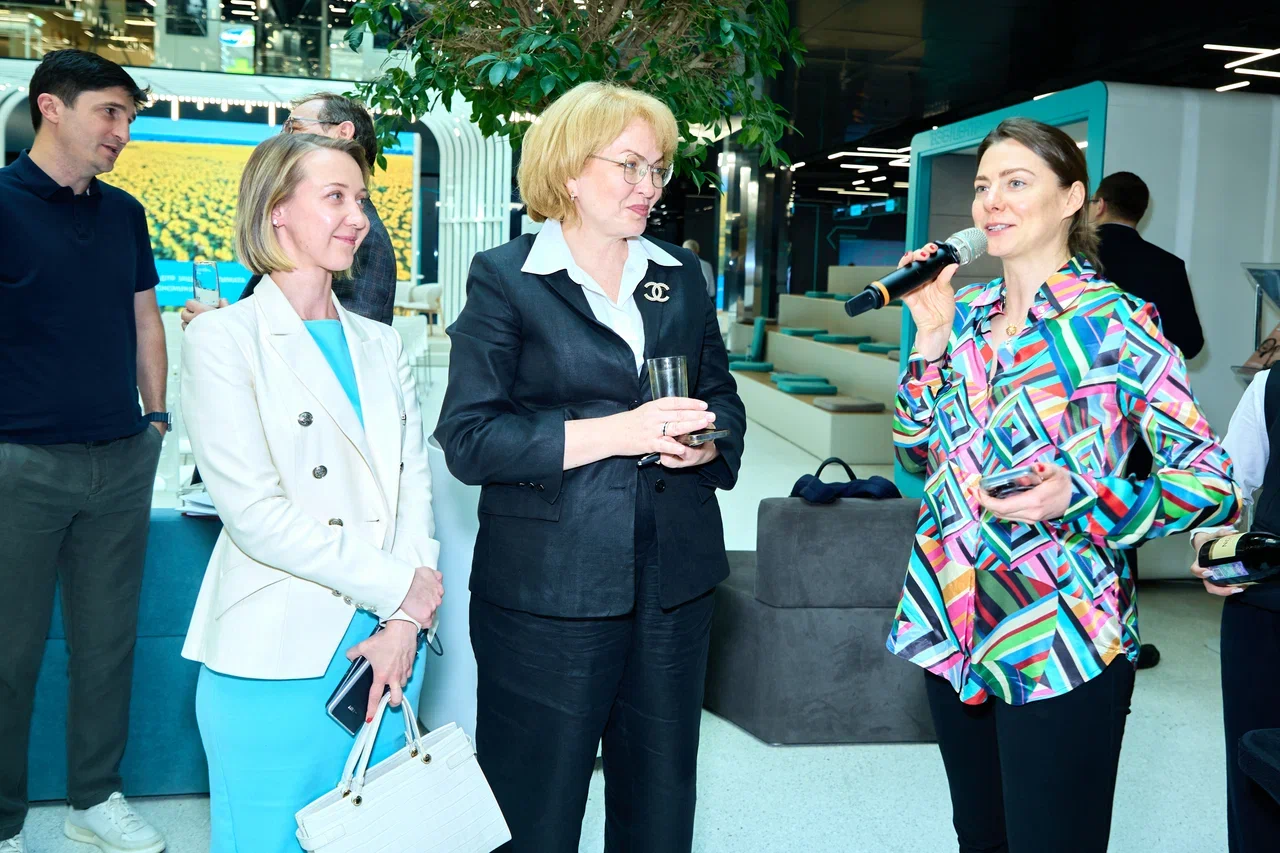
Ruslan EDELGERIEV, Aide to the President of the Russian Federation, noted in his congratulatory address: "Over the past decade, the Partnership has become an expert platform that has united the efforts of representatives of business, government, and the scientific and expert communities. Modern challenges require not only strategic thinking but also the ability to pool our efforts. The development of climate initiatives and the implementation of low-carbon economy projects are impossible without a strong partnership between the state and business. Only through joint action can we develop and implement effective solutions that can reduce greenhouse gas emissions and promote the environmentally and economically sustainable development of our country."
Irina BAKHTINA, Director of Sustainable Development at RUSAL and En+Group, noted: "The development of the Russian market is evidenced by climate and ESG transformation indicators. Currently, 65 climate projects are registered in the Russian Carbon Credit Register, almost half of which are scheduled for 2023 and 2024. Greenhouse gas emissions can already be validated and verified by 19 registered and operating bodies. The Greenhouse Gas Emission Register contains 1,042 issuer reports. Overall, business spending on environmental protection exceeds 1.3 trillion rubles per year."
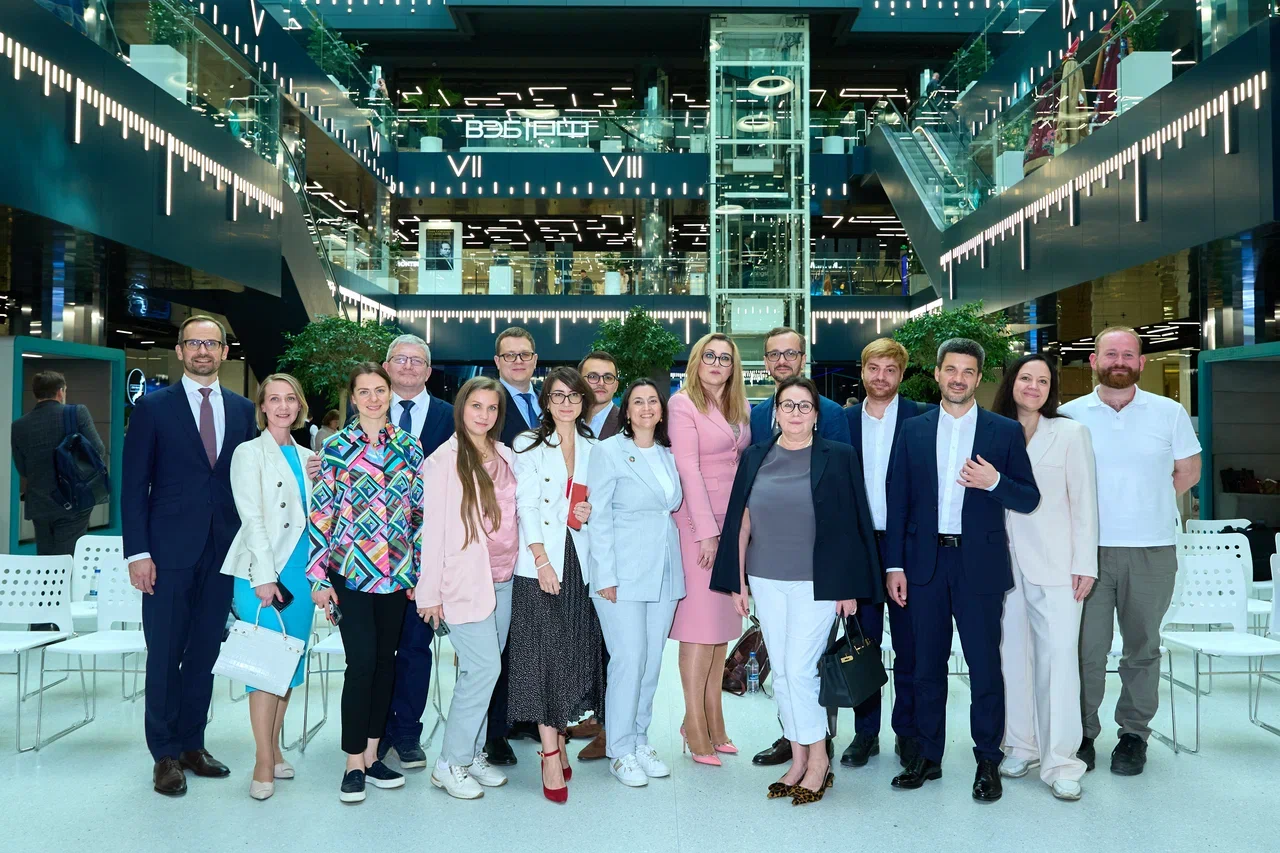
Partnership participants from Sakhalin, Almetyevsk, Nizhny Novgorod, St. Petersburg, and Kirov, as well as representatives of leading Russian companies, flew in for the anniversary event.
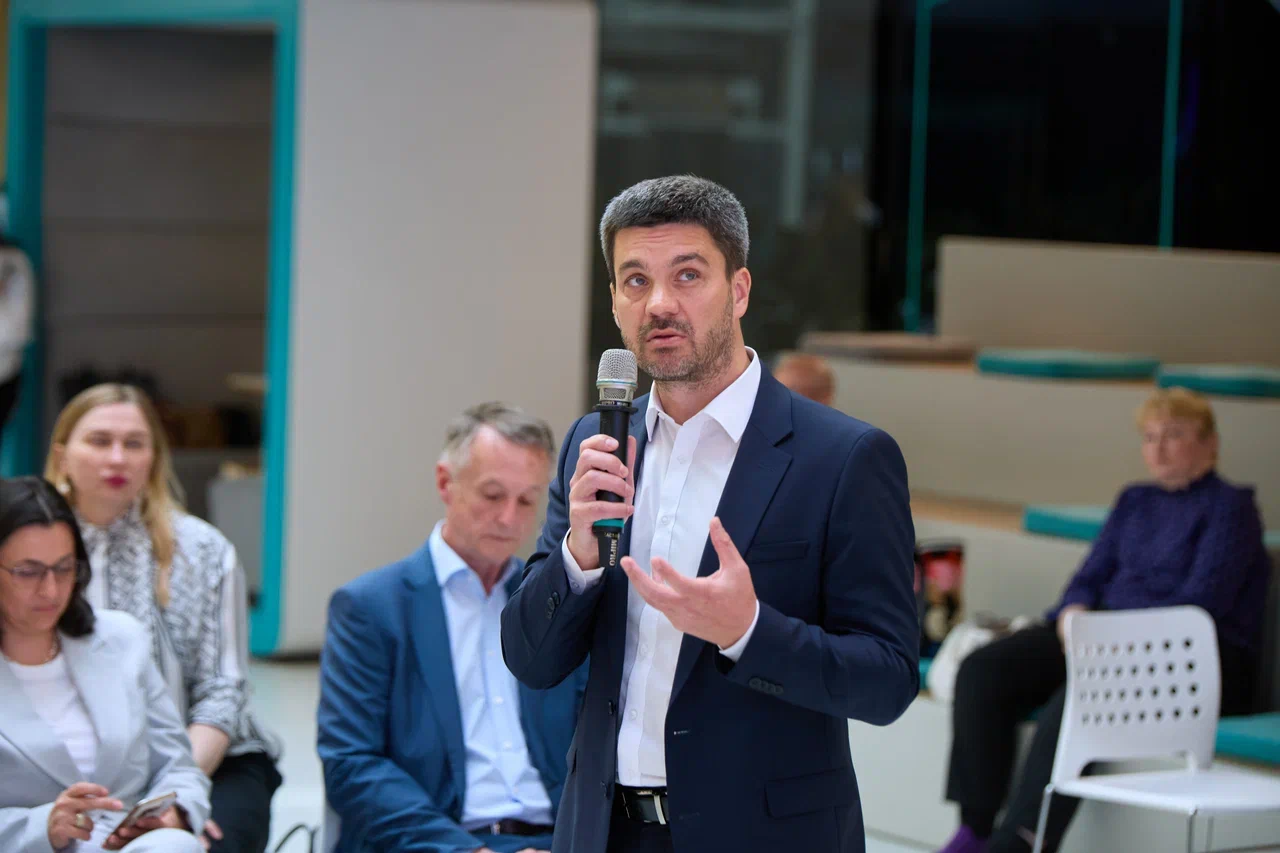
Artem Rafalsky, Deputy Minister of Ecology and Sustainable Development of the Sakhalin Region, stated: "Right now, a full-fledged carbon market is emerging in the Sakhalin Region, a result of administrative regulation of greenhouse gas emissions. Companies are concluding deals to buy and sell carbon units and quota fulfillment units and are exploring exchange platforms. Intermediary structures seeking to profit from trading carbon assets have become more active. We will discuss the results of Russia's first campaign to ensure organizations meet their assigned quotas in detail at the International Forum 'Islands of Sustainable Development: The Climate Aspect,' which will be held on August 1-2, 2025, in Sakhalin."
Evgeny Shvarts, Independent Director, Chairman of the HSE UNIVERSITY Committee of the Board of Directors of RUSAL, Honored Ecologist of the Russian Federation, Doctor of Geographical Sciences, noted: "In many countries, there are typically two groups of companies: those that benefit from the competitive advantage of higher environmental standards, and those that try to 'slow down' the process and lobby for the maintenance of lower environmental and social standards. One of the significant problems with the greening of the Russian economy is that those who benefit from the competitive advantage of higher environmental standards have not had a 'voice'. It appears that the RUSSIAN CLIMATE PARTNERSHIP is gradually becoming the 'voice' of companies gaining a competitive advantage through targeted adherence to higher environmental and social standards."
Alexander ALCHINOV, Head of Environmental Protection and Ecology at Tatneft: "The company is implementing a vast array of circular economy projects. We believe that the combined efforts of business, government, and science will allow Russia not only to meet its climate commitments but also to take a leading position in the new low-carbon economy. Tatneft is ready to collaborate with research centers in the areas of decorbanization and the circular economy."
Ekaterina Salugina-Sorokova, First Vice President of Gazprombank: "The ten BRICS countries account for more than a third of global GDP, and sustainable development affects the economic interests of each of them. In the absence of strong institutional integration, engaging businesses and the expert community in developing joint solutions is particularly important. We hope that our initiative to create a comprehensive expert platform, the Sustainable Development Network, will become an effective framework for addressing the important challenges of sustainable development."
Oksana Gogunskaya, CEO of JSC Kontur: "These days, we are celebrating the 10th anniversary of the Russian Climate Partnership. This is not only a cause for celebration, but also a recognition of the Partnership's outstanding achievements. Its participants have laid a solid foundation for Russia's carbon market, which, I am confident, was facilitated by the Partnership's effective tools—expert initiatives and practical case studies that participants openly shared. I wish the Partnership new projects, bold decisions, and an even greater impact on a sustainable future."
Roman ISHMUKHAMETOV, Senior Associate at Melling, Voitishkin & Partners: "Progress in sustainable development is underpinned by transactions and investments. For example, those involving the consolidation of capital from various market participants for the joint implementation of low-carbon generation projects, waste management infrastructure, and others. Creating momentum for such transactions and investments could be one of the areas for the Partnership's next phase of development."
Yuriy FURSA, CEO of CTUR LLC: "On behalf of the Center for Sustainable Development Technologies (CTUR), I congratulate the Russian Climate Partnership on its 10th anniversary! The Partnership plays a vital role in shaping the climate agenda at both the national and international levels. The Partnership brings together leading Russian companies, business leaders, and scientific organizations. We wish the Russian Climate Partnership and all its participants success, new horizons, the achievement of ambitious goals, and prosperity!"
According to the study, the majority of the most pressing environmental projects currently being implemented by Russian businesses relate to waste management, energy efficiency, industrial ecology, and occupational safety. Against this backdrop, biodiversity conservation, reclamation, and forest climate projects currently appear more like complementary, secondary projects, noted Vadim Petrov, Deputy Director of the All-Russian Research Institute "Ecology."
Also at the anniversary event, new partners joined the partnership by signing a memorandum: Biemtek LLC, St. Petersburg Research Institute of Forestry, and Earthood.
Olga SAVOSTIKOVA, BIEMTEK LLC: "We believe that efforts to combat climate change should not be limited to government regulation, the creation of carbon market infrastructure, and the implementation of climate projects by large companies. We believe there is a pressing need to actively engage small technology companies in this important effort, as they are the most dynamic, flexible, and creative. BIEMTEK and our team are pleased to join the community of the most proactive participants in the climate change mitigation movement."
Pavel RYCHENKOV, Director of the St. Petersburg Research Institute of Forestry: "The problem of climate change is complex, and its successful resolution requires the coordinated efforts of many parties: project implementers, developers, validators and verifiers, regulatory bodies, and the scientific community. The Russian Partnership for Climate Conservation brings together virtually all stakeholders to address this global issue. We are pleased to join this common cause!"
Earthood Russia CEO Andrey KOMENDANT: "In the face of a changing global agenda, businesses in Russia are striving to comply not only with national requirements but also with international standards. This is driven by external stakeholder demands as part of the creation of new, responsible supply chains."
Background note
The Russian Climate Partnership is an association of Russian companies that have launched an initiative to create a community dedicated to reducing their negative environmental impact and preventing climate change. In November 2015, leading Russian companies proposed the idea of establishing the Russian Climate Partnership. Since then, more than 30 organizations have joined the Partnership. Representatives of the Russian Climate Partnership regularly participate in UN climate change conferences, and the association influences the climate agenda within Russia as the only association of companies working on the climate agenda.
The St. Petersburg Forestry Research Institute has extensive experience assessing the impact of climate change on the forestry sector, which is used to develop Russia's position on the international climate change negotiation agenda. The institute offers validation and verification services for environmental information and develops standards, technologies, and economic approaches for the sustainable use and restoration of forests.
BiEmTek LLC is a small technology company developing climate projects to reduce greenhouse gas emissions and conducting R&D to create technological solutions for converting greenhouse gases into high-margin products. Since 2023, the company has been a resident of the Quantum Valley Innovation Science and Technology Center.
Earthood is an international climate project validation and verification organization with a portfolio of over 4,000 projects in 132 countries. It also provides assurance on GHG and sustainable development reporting. In 2024, a sixth office (India, Brazil, Turkey, the UK, and the UAE) was opened in Russia.
The government, regulators, and large companies with extensive expertise will remain the drivers of the climate and ESG agenda in the country after 2022. Carbon credit market infrastructure is being created, ESG financing mechanisms are being developed, mandatory non-financial reporting has been introduced for public companies listed on the Moscow Exchange's first and second lists starting in 2024, and the new IFRS S2 standard, with its new climate change-related disclosure system, has been adopted. The number of corporate non-financial reports registered by the Russian Union of Industrialists and Entrepreneurs (RSPP), has steadily increased fr om 7 in 2000 to 131 in 2023.
The triggers for these initiatives continue to be the introduction of cross-border carbon regulations in the EU and regulatory requirements in countries of the Global East and South (following the reorientation of export supplies). Until 2022, the agenda's development was primarily driven by regulatory requirements in Western countries wh ere major Russian exporters conducted their business, as well as foreign exchange listing requirements, access to green financing (including on international markets), eco-trends in the consumer segment, and the potential to reduce costs, losses, and risks associated with negative environmental impacts.
The key areas of companies' climate change strategies currently include: improving energy efficiency, transitioning to renewable energy sources, developing the electric transport industry, decarbonizing carbon-intensive sectors of the economy, developing low-carbon technologies, and measures to adapt to climate change.
The experts participating in the study also identified opportunities for cooperation between Russia and the BRICS countries. These include the adoption of common principles for combating climate change, information and expert partnerships, and the creation of a common framework for green finance and carbon markets.
A total of 65 climate projects by Russian companies have been registered on the Russian market, 88% of which are purely technological and 12% are natural resource projects. Of these, 24 projects were implemented in the oil and gas industry, 15 in the chemical industry, 8 in the metallurgy and mining industry, 8 in the energy sector, 3 in the construction industry, 2 each in the forestry, housing and utilities, and agriculture sectors, and 1 in the transportation industry.
Ruslan EDELGERIEV, Aide to the President of the Russian Federation, noted in his congratulatory address: "Over the past decade, the Partnership has become an expert platform that has united the efforts of representatives of business, government, and the scientific and expert communities. Modern challenges require not only strategic thinking but also the ability to pool our efforts. The development of climate initiatives and the implementation of low-carbon economy projects are impossible without a strong partnership between the state and business. Only through joint action can we develop and implement effective solutions that can reduce greenhouse gas emissions and promote the environmentally and economically sustainable development of our country."
Irina BAKHTINA, Director of Sustainable Development at RUSAL and En+Group, noted: "The development of the Russian market is evidenced by climate and ESG transformation indicators. Currently, 65 climate projects are registered in the Russian Carbon Credit Register, almost half of which are scheduled for 2023 and 2024. Greenhouse gas emissions can already be validated and verified by 19 registered and operating bodies. The Greenhouse Gas Emission Register contains 1,042 issuer reports. Overall, business spending on environmental protection exceeds 1.3 trillion rubles per year."
Partnership participants from Sakhalin, Almetyevsk, Nizhny Novgorod, St. Petersburg, and Kirov, as well as representatives of leading Russian companies, flew in for the anniversary event.
Artem Rafalsky, Deputy Minister of Ecology and Sustainable Development of the Sakhalin Region, stated: "Right now, a full-fledged carbon market is emerging in the Sakhalin Region, a result of administrative regulation of greenhouse gas emissions. Companies are concluding deals to buy and sell carbon units and quota fulfillment units and are exploring exchange platforms. Intermediary structures seeking to profit from trading carbon assets have become more active. We will discuss the results of Russia's first campaign to ensure organizations meet their assigned quotas in detail at the International Forum 'Islands of Sustainable Development: The Climate Aspect,' which will be held on August 1-2, 2025, in Sakhalin."
Evgeny Shvarts, Independent Director, Chairman of the HSE UNIVERSITY Committee of the Board of Directors of RUSAL, Honored Ecologist of the Russian Federation, Doctor of Geographical Sciences, noted: "In many countries, there are typically two groups of companies: those that benefit from the competitive advantage of higher environmental standards, and those that try to 'slow down' the process and lobby for the maintenance of lower environmental and social standards. One of the significant problems with the greening of the Russian economy is that those who benefit from the competitive advantage of higher environmental standards have not had a 'voice'. It appears that the RUSSIAN CLIMATE PARTNERSHIP is gradually becoming the 'voice' of companies gaining a competitive advantage through targeted adherence to higher environmental and social standards."
Alexander ALCHINOV, Head of Environmental Protection and Ecology at Tatneft: "The company is implementing a vast array of circular economy projects. We believe that the combined efforts of business, government, and science will allow Russia not only to meet its climate commitments but also to take a leading position in the new low-carbon economy. Tatneft is ready to collaborate with research centers in the areas of decorbanization and the circular economy."
Ekaterina Salugina-Sorokova, First Vice President of Gazprombank: "The ten BRICS countries account for more than a third of global GDP, and sustainable development affects the economic interests of each of them. In the absence of strong institutional integration, engaging businesses and the expert community in developing joint solutions is particularly important. We hope that our initiative to create a comprehensive expert platform, the Sustainable Development Network, will become an effective framework for addressing the important challenges of sustainable development."
Oksana Gogunskaya, CEO of JSC Kontur: "These days, we are celebrating the 10th anniversary of the Russian Climate Partnership. This is not only a cause for celebration, but also a recognition of the Partnership's outstanding achievements. Its participants have laid a solid foundation for Russia's carbon market, which, I am confident, was facilitated by the Partnership's effective tools—expert initiatives and practical case studies that participants openly shared. I wish the Partnership new projects, bold decisions, and an even greater impact on a sustainable future."
Roman ISHMUKHAMETOV, Senior Associate at Melling, Voitishkin & Partners: "Progress in sustainable development is underpinned by transactions and investments. For example, those involving the consolidation of capital from various market participants for the joint implementation of low-carbon generation projects, waste management infrastructure, and others. Creating momentum for such transactions and investments could be one of the areas for the Partnership's next phase of development."
Yuriy FURSA, CEO of CTUR LLC: "On behalf of the Center for Sustainable Development Technologies (CTUR), I congratulate the Russian Climate Partnership on its 10th anniversary! The Partnership plays a vital role in shaping the climate agenda at both the national and international levels. The Partnership brings together leading Russian companies, business leaders, and scientific organizations. We wish the Russian Climate Partnership and all its participants success, new horizons, the achievement of ambitious goals, and prosperity!"
According to the study, the majority of the most pressing environmental projects currently being implemented by Russian businesses relate to waste management, energy efficiency, industrial ecology, and occupational safety. Against this backdrop, biodiversity conservation, reclamation, and forest climate projects currently appear more like complementary, secondary projects, noted Vadim Petrov, Deputy Director of the All-Russian Research Institute "Ecology."
Also at the anniversary event, new partners joined the partnership by signing a memorandum: Biemtek LLC, St. Petersburg Research Institute of Forestry, and Earthood.
Olga SAVOSTIKOVA, BIEMTEK LLC: "We believe that efforts to combat climate change should not be limited to government regulation, the creation of carbon market infrastructure, and the implementation of climate projects by large companies. We believe there is a pressing need to actively engage small technology companies in this important effort, as they are the most dynamic, flexible, and creative. BIEMTEK and our team are pleased to join the community of the most proactive participants in the climate change mitigation movement."
Pavel RYCHENKOV, Director of the St. Petersburg Research Institute of Forestry: "The problem of climate change is complex, and its successful resolution requires the coordinated efforts of many parties: project implementers, developers, validators and verifiers, regulatory bodies, and the scientific community. The Russian Partnership for Climate Conservation brings together virtually all stakeholders to address this global issue. We are pleased to join this common cause!"
Earthood Russia CEO Andrey KOMENDANT: "In the face of a changing global agenda, businesses in Russia are striving to comply not only with national requirements but also with international standards. This is driven by external stakeholder demands as part of the creation of new, responsible supply chains."
Background note
The Russian Climate Partnership is an association of Russian companies that have launched an initiative to create a community dedicated to reducing their negative environmental impact and preventing climate change. In November 2015, leading Russian companies proposed the idea of establishing the Russian Climate Partnership. Since then, more than 30 organizations have joined the Partnership. Representatives of the Russian Climate Partnership regularly participate in UN climate change conferences, and the association influences the climate agenda within Russia as the only association of companies working on the climate agenda.
The St. Petersburg Forestry Research Institute has extensive experience assessing the impact of climate change on the forestry sector, which is used to develop Russia's position on the international climate change negotiation agenda. The institute offers validation and verification services for environmental information and develops standards, technologies, and economic approaches for the sustainable use and restoration of forests.
BiEmTek LLC is a small technology company developing climate projects to reduce greenhouse gas emissions and conducting R&D to create technological solutions for converting greenhouse gases into high-margin products. Since 2023, the company has been a resident of the Quantum Valley Innovation Science and Technology Center.
Earthood is an international climate project validation and verification organization with a portfolio of over 4,000 projects in 132 countries. It also provides assurance on GHG and sustainable development reporting. In 2024, a sixth office (India, Brazil, Turkey, the UK, and the UAE) was opened in Russia.