Partnership for Arctic Change: Activists, Business and Government Join Forces
05/19/2026

Partnership for Arctic Change: Activists, Business and Government Join Forces
Olga Sanarova, Chair of the Organizing Committee of the Climate Partnership of Russia, discusses why isolated development of remote areas is impossible.
February, 2026. I'm standing in the snowy tundra of the Anabar National Dolgan-Evenki Nomad camp (khanate) in Yakutia. It's polar night, minus forty-five degrees Celsius. Somewhere very close by are reindeer, arctic wolves, and... the amazing, responsive, and very warm people who have lived here for centuries according to the laws of the North. However, nature is rapidly changing. Permafrost is melting, banks are crumbling, animals are changing their migration routes. Outdated models - a rigid vertical structure and dependence on natural resources - no longer work here. A different system is needed: a vibrant, flexible one, where public organizations, government, businesses, and, of course, the residents themselves listen to each other. This is precisely the kind of collaboration we've been building for ten years as part of the Russian Climate Partnership.
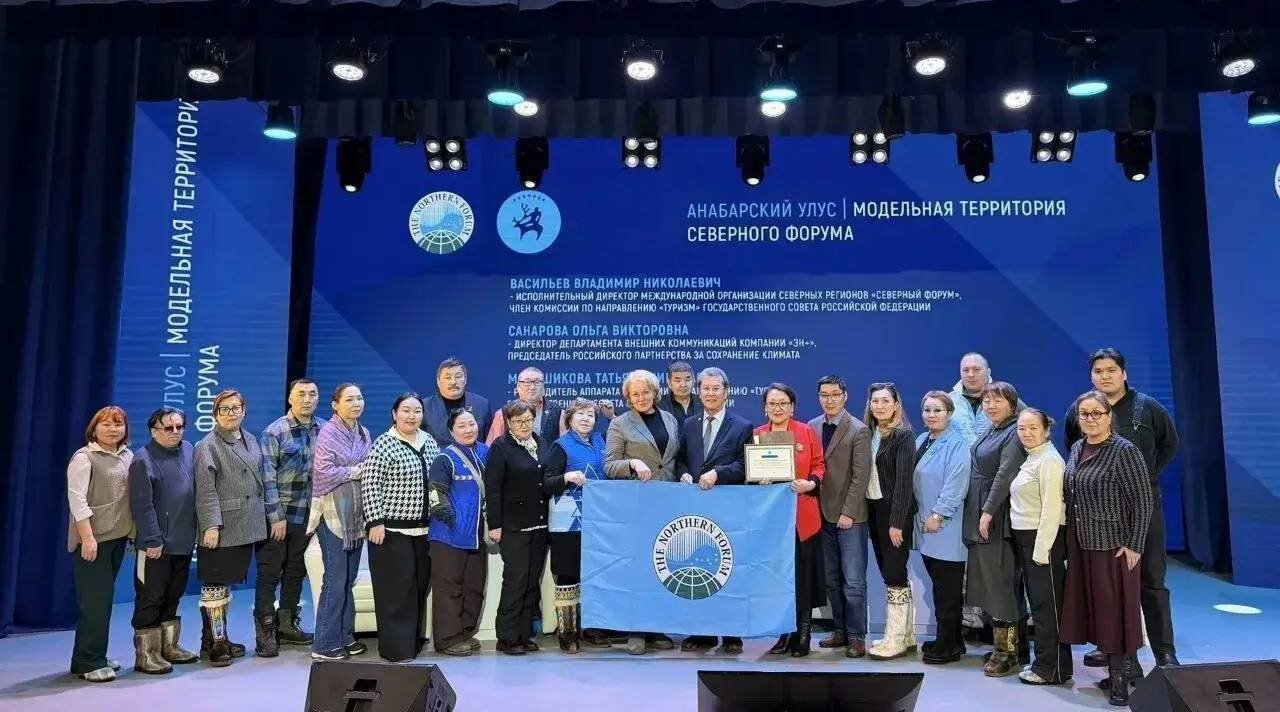
In 2024, the international Northern Forum, an organization that has been working on the sustainable development of Arctic territories since 1991, joined us. Together with the Northern Forum, we organized an expedition to the Anabar Nomad camp (khanate), a harsh region 2,000 kilometers fr om Yakutsk. A large roundtable discussion with federal experts was held in Saskylakh and Yuryung-Khaya, wh ere representatives of the State Council, the Ministry of Ecology of Yakutia, and even renowned explorer Alexey Zhirukhin spoke online. The key issue discussed was how to preserve culture while simultaneously providing people with new opportunities. The Anabar Nomad camp (khanate) was declared a model territory for the Northern Forum.
The results of this focus on remote northern settlements are immediately visible. Thanks to the Arctic Synergy project, the nomad camp (khanate) now has stable high-speed internet - even in the tundra, where we reached it by all-terrain vehicle. Reindeer herders, who were previously essentially cut off fr om the outside world, can now study online, follow the news, and sell their products through marketplaces. The foreman of one of the brigades shared that he studied in Norway thanks to an international grant. Long-standing traditions combined with modern knowledge—this is no longer a dream, but a reality.
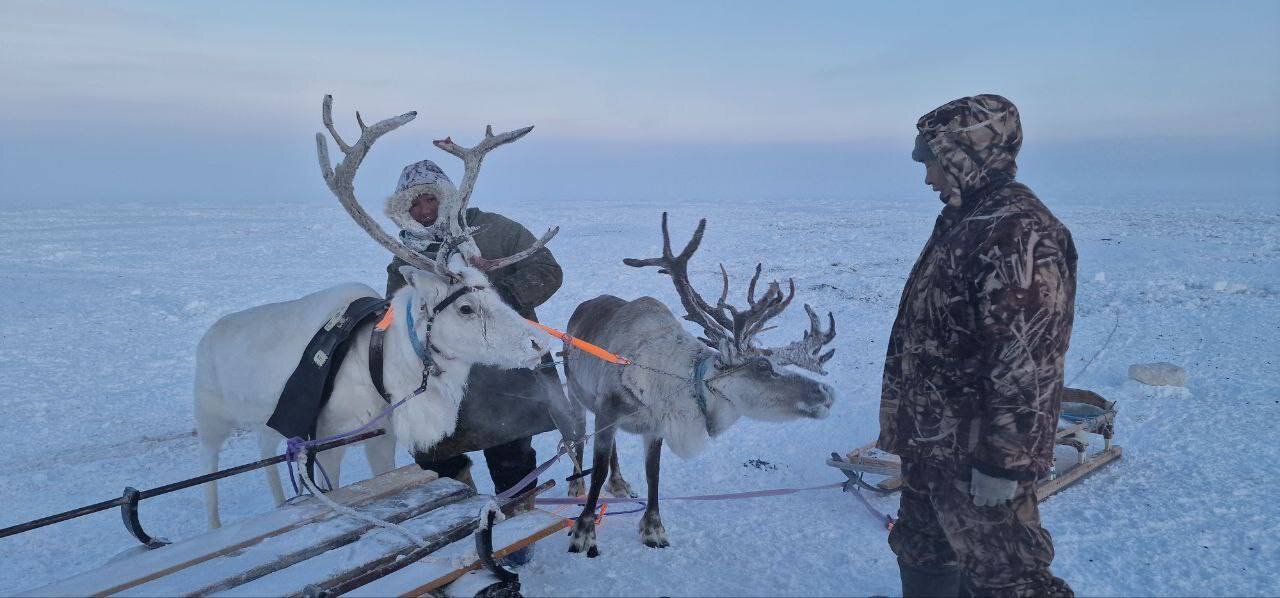
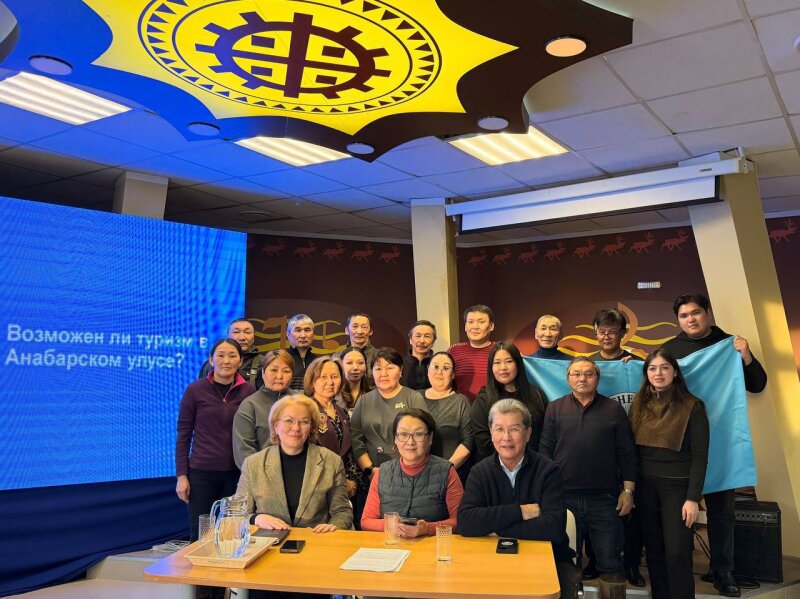
We are witnessing how digitalization is breaking down geographic isolation. Telemedicine, online learning, and e-services are no longer luxuries. The internet has become a vital infrastructure for survival and development. Another promising area is ethnoecological tourism. Local authorities and residents see it as a real chance to partially diversify the economy. The Dolgans and Evenks are the bearers of unique cultures in the high Arctic. Here, in addition to the Northern Lights and the lowest temperatures on the planet, one can see impressive reindeer camps, national holidays, the production of mammoth ivory and fur mosaics, and a cuisine that includes reindeer meat and northern fish. The prospects are enormous: ethnographic, adventure, scientific, and even industrial tourism (subject to agreement with local mining companies).
Of course, implementing these plans requires investment: traditional-style guesthouses, trained local guides, digital content, and strict environmental controls to avoid damaging the fragile tundra. But the tools and mechanisms used by the Northern Forum allow for the exchange of experience with other Arctic regions and even with international partners wh ere possible.
I see these prospects not only as the chair of the partnership's organizing committee, but also as the director of special projects at the Volnoe Delo Charitable Foundation. We are conducting a large-scale study of the indigenous peoples of Siberia and the North, collecting traditional knowledge about climate adaptation, seasonal calendars, and sustainable nature management. All research is conducted with the consent of the communities and with respect for ethics. This knowledge does not remain in archives but becomes the basis for tangible plans for adaptation, permafrost monitoring, and territorial development.
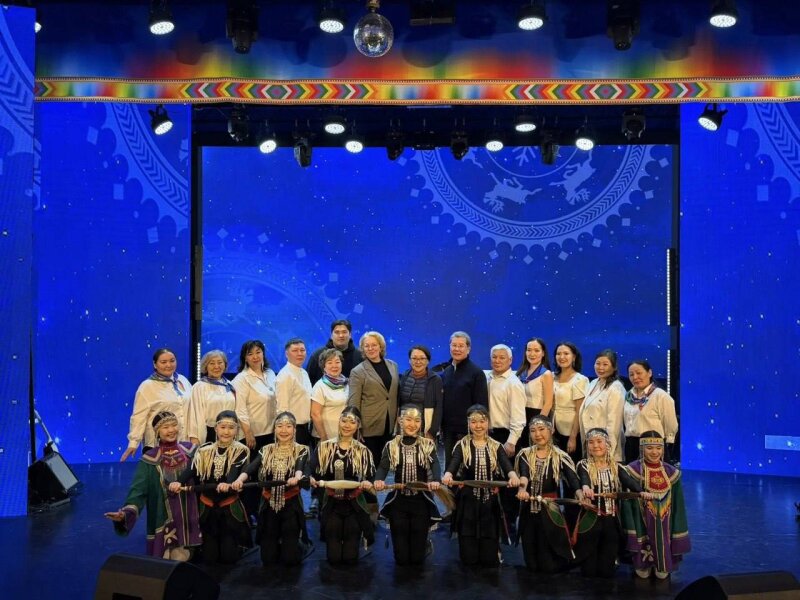
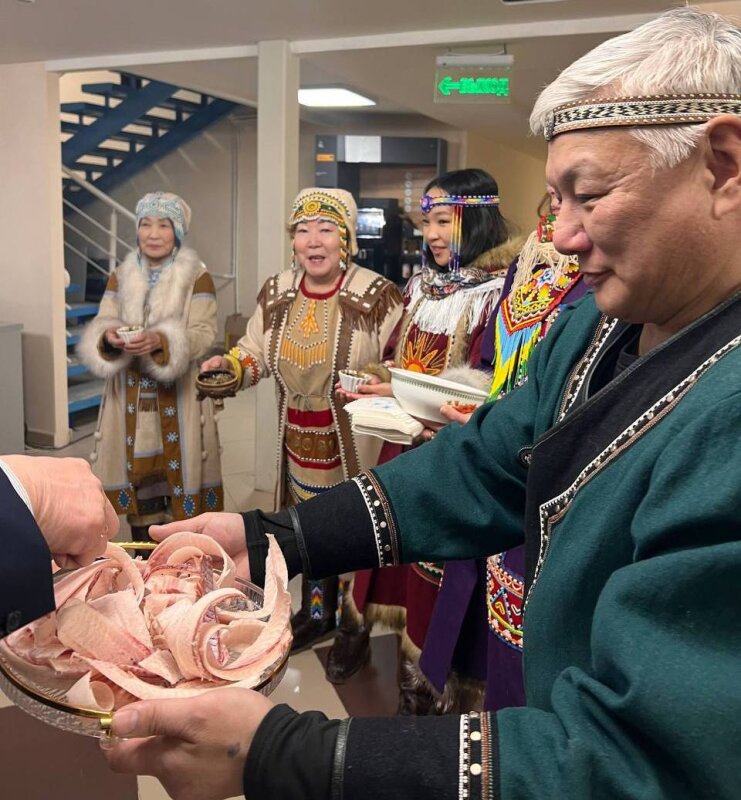
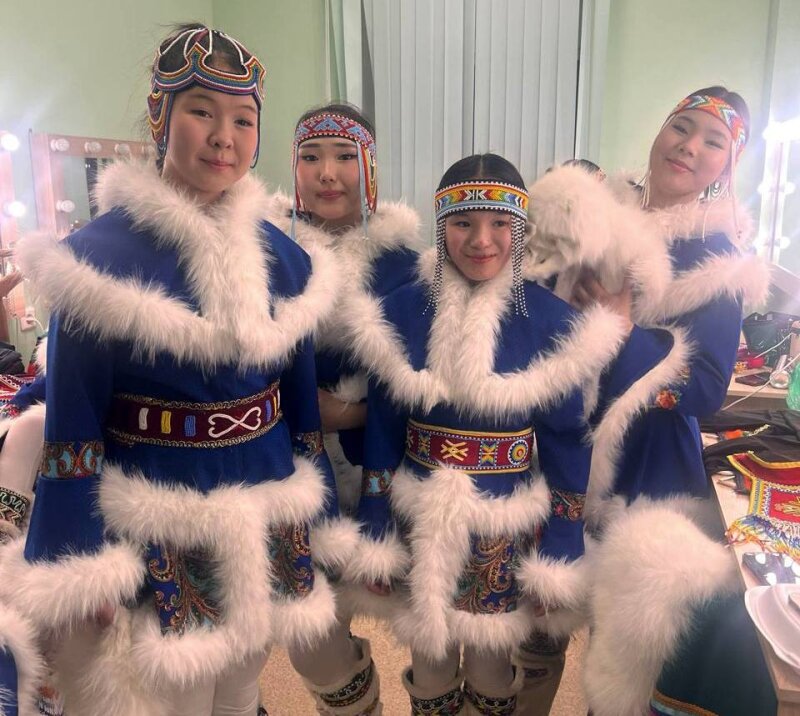
The Anabar Nomad camp (khanate) is a striking example of a unique balance between tradition and innovation. Here you'll encounter not only large-scale reindeer herding, the basis of the locals' diet and culture, but also diamond mining, a strategic resource for the country. The Almaz and Kheyro cultural centers are bustling with activity. And the Almazy Anabara ensemble, directed by Yana Spiridonova, has become a true pride of the region, showcasing the richness of the local traditional culture.
The main conclusion I drew from the expedition was that isolated development of remote territories is impossible. Only intersectoral and interregional partnerships can provide the necessary flexibility. Public organizations test ideas on the ground, the government provides consistency and resources, businesses bring expertise, and residents bring traditional knowledge, feedback, and active participation. This collaboration is already bearing fruit. It helps not just survive in the Arctic, but live a dignified life, preserving its unique culture and nature and creating new opportunities for young people. Anabar today is more than just a land of reindeer and diamonds. It is a laboratory of the future, wh ere tradition and innovation go hand in hand.
And if we want the Russian Arctic to remain vibrant and resilient, we need to scale up these partnership models. The future of the North lies in the hands of those who can listen to each other and work toward a common goal.
Olga Sanarova, Chair of the Organizing Committee of the Climate Partnership of Russia and Director of Special Projects at the Volnoe Delo Foundation. Source: https://runord.today/208-partnerstvo-v-tundre-kak-obschestvenniki-biznes-i-vlast-vmeste-menjajut-ark.... (https://runord.today/208-partnerstvo-v-tundre-kak-obschestvenniki-biznes-i-vlast-vmeste-menjajut-ark...)
February, 2026. I'm standing in the snowy tundra of the Anabar National Dolgan-Evenki Nomad camp (khanate) in Yakutia. It's polar night, minus forty-five degrees Celsius. Somewhere very close by are reindeer, arctic wolves, and... the amazing, responsive, and very warm people who have lived here for centuries according to the laws of the North. However, nature is rapidly changing. Permafrost is melting, banks are crumbling, animals are changing their migration routes. Outdated models - a rigid vertical structure and dependence on natural resources - no longer work here. A different system is needed: a vibrant, flexible one, where public organizations, government, businesses, and, of course, the residents themselves listen to each other. This is precisely the kind of collaboration we've been building for ten years as part of the Russian Climate Partnership.
In 2024, the international Northern Forum, an organization that has been working on the sustainable development of Arctic territories since 1991, joined us. Together with the Northern Forum, we organized an expedition to the Anabar Nomad camp (khanate), a harsh region 2,000 kilometers fr om Yakutsk. A large roundtable discussion with federal experts was held in Saskylakh and Yuryung-Khaya, wh ere representatives of the State Council, the Ministry of Ecology of Yakutia, and even renowned explorer Alexey Zhirukhin spoke online. The key issue discussed was how to preserve culture while simultaneously providing people with new opportunities. The Anabar Nomad camp (khanate) was declared a model territory for the Northern Forum.
The results of this focus on remote northern settlements are immediately visible. Thanks to the Arctic Synergy project, the nomad camp (khanate) now has stable high-speed internet - even in the tundra, where we reached it by all-terrain vehicle. Reindeer herders, who were previously essentially cut off fr om the outside world, can now study online, follow the news, and sell their products through marketplaces. The foreman of one of the brigades shared that he studied in Norway thanks to an international grant. Long-standing traditions combined with modern knowledge—this is no longer a dream, but a reality.
We are witnessing how digitalization is breaking down geographic isolation. Telemedicine, online learning, and e-services are no longer luxuries. The internet has become a vital infrastructure for survival and development. Another promising area is ethnoecological tourism. Local authorities and residents see it as a real chance to partially diversify the economy. The Dolgans and Evenks are the bearers of unique cultures in the high Arctic. Here, in addition to the Northern Lights and the lowest temperatures on the planet, one can see impressive reindeer camps, national holidays, the production of mammoth ivory and fur mosaics, and a cuisine that includes reindeer meat and northern fish. The prospects are enormous: ethnographic, adventure, scientific, and even industrial tourism (subject to agreement with local mining companies).
Of course, implementing these plans requires investment: traditional-style guesthouses, trained local guides, digital content, and strict environmental controls to avoid damaging the fragile tundra. But the tools and mechanisms used by the Northern Forum allow for the exchange of experience with other Arctic regions and even with international partners wh ere possible.
I see these prospects not only as the chair of the partnership's organizing committee, but also as the director of special projects at the Volnoe Delo Charitable Foundation. We are conducting a large-scale study of the indigenous peoples of Siberia and the North, collecting traditional knowledge about climate adaptation, seasonal calendars, and sustainable nature management. All research is conducted with the consent of the communities and with respect for ethics. This knowledge does not remain in archives but becomes the basis for tangible plans for adaptation, permafrost monitoring, and territorial development.
The Anabar Nomad camp (khanate) is a striking example of a unique balance between tradition and innovation. Here you'll encounter not only large-scale reindeer herding, the basis of the locals' diet and culture, but also diamond mining, a strategic resource for the country. The Almaz and Kheyro cultural centers are bustling with activity. And the Almazy Anabara ensemble, directed by Yana Spiridonova, has become a true pride of the region, showcasing the richness of the local traditional culture.
The main conclusion I drew from the expedition was that isolated development of remote territories is impossible. Only intersectoral and interregional partnerships can provide the necessary flexibility. Public organizations test ideas on the ground, the government provides consistency and resources, businesses bring expertise, and residents bring traditional knowledge, feedback, and active participation. This collaboration is already bearing fruit. It helps not just survive in the Arctic, but live a dignified life, preserving its unique culture and nature and creating new opportunities for young people. Anabar today is more than just a land of reindeer and diamonds. It is a laboratory of the future, wh ere tradition and innovation go hand in hand.
And if we want the Russian Arctic to remain vibrant and resilient, we need to scale up these partnership models. The future of the North lies in the hands of those who can listen to each other and work toward a common goal.
Olga Sanarova, Chair of the Organizing Committee of the Climate Partnership of Russia and Director of Special Projects at the Volnoe Delo Foundation. Source: https://runord.today/208-partnerstvo-v-tundre-kak-obschestvenniki-biznes-i-vlast-vmeste-menjajut-ark.... (https://runord.today/208-partnerstvo-v-tundre-kak-obschestvenniki-biznes-i-vlast-vmeste-menjajut-ark...)