Representatives of companies participating in the Russian Climate Partnership proposed ideas for the development of the organization
08/29/2025

Representatives of companies participating in the Russian Climate Partnership proposed ideas for the development of the organization
On August 29, 2025, a working meeting of the Russian Climate Partnership was held at RUSAL's office, where participants discussed new development areas. The partnership's transformation into an information center consolidating data, knowledge, and case studies on climate initiatives and projects in a single database will allow companies and experts to exchange relevant information, analyze international trends, and develop educational programs jointly with leading universities.
Participants noted the importance of expanding the partnership's functions—to become a methodologist for the market, an educational platform, and a communication bridge for interaction between stakeholders within the country and with the international community.
Olga Sanarova (partnership coordinator, director of external relations at En+Group) noted, "The agenda has become increasingly relevant over the past ten years. New climate projects and validation bodies are emerging, and businesses' environmental spending is growing. It's now crucial to create a unified database where all experts can systematically contribute information. The partnership can serve as a methodology, a communication bridge, and an educational platform all in one. We want to pool knowledge and transform it into practical solutions for companies and the industry, and then disseminate it throughout the regions."
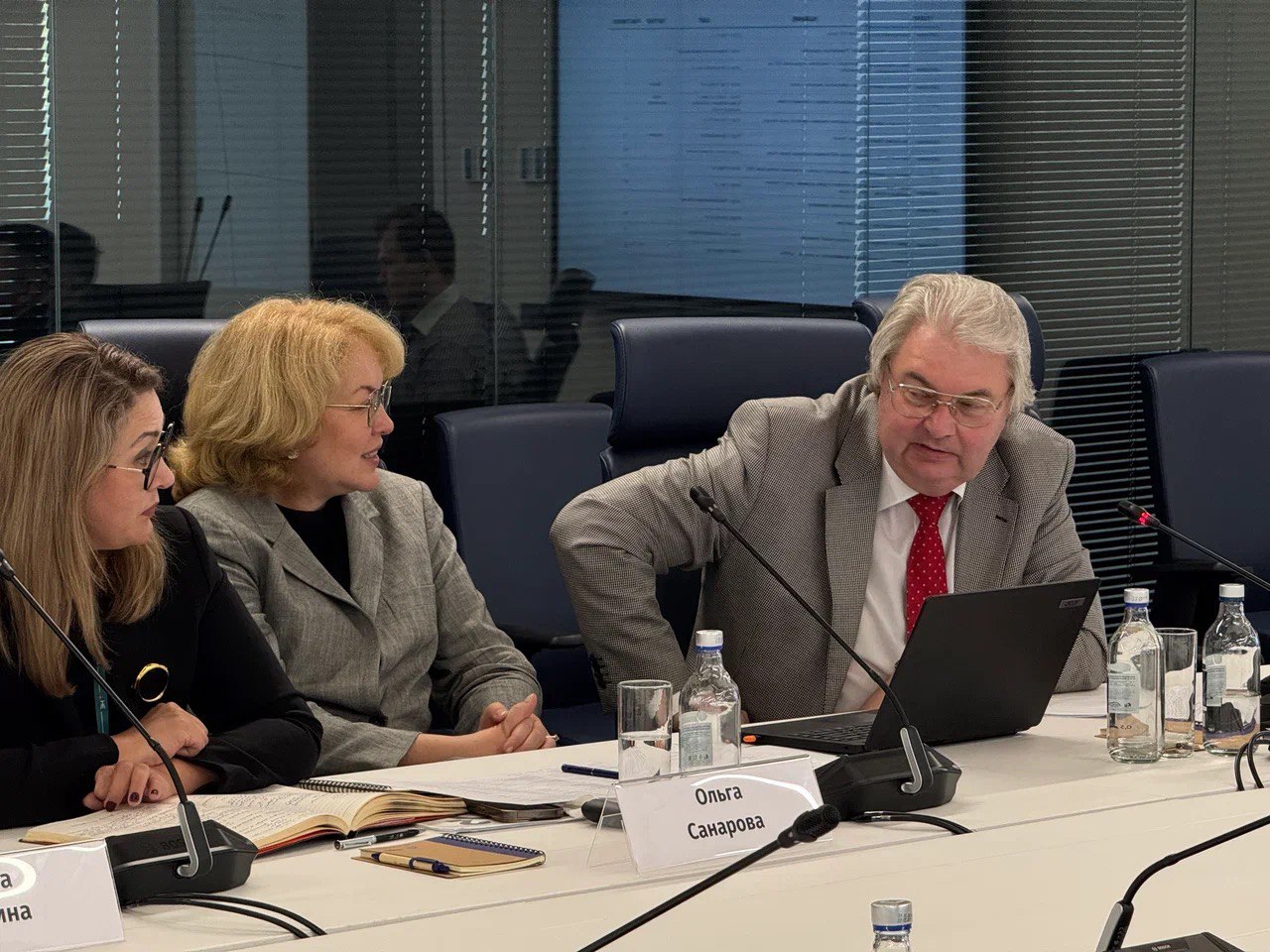
Irina Bakhtina (RUSAL/En+) emphasized the importance of an interdisciplinary approach: "The climate agenda concerns not only managers but also engineers, architects, designers, and insurers. It directly impacts the economics of enterprises and requires an expanded educational track."
Sergey Chestnoy (RUSAL) added: "The partnership is evolving from a discussion platform into an expert center for addressing pressing issues, including international ones. We continue to develop cooperation with the Indonesian Carbon Trading Association and see potential for establishing contacts with ASEAN."
Andrey Komendant (Earthwood) discussed the key areas of activity: "Participation in the partnership has been a significant milestone for us. We are ready to share case studies and methodological approaches to climate projects in Russia. The educational track is particularly important because there is a severe shortage of qualified personnel. We are also focused on international cooperation and filling our expert area with real content."
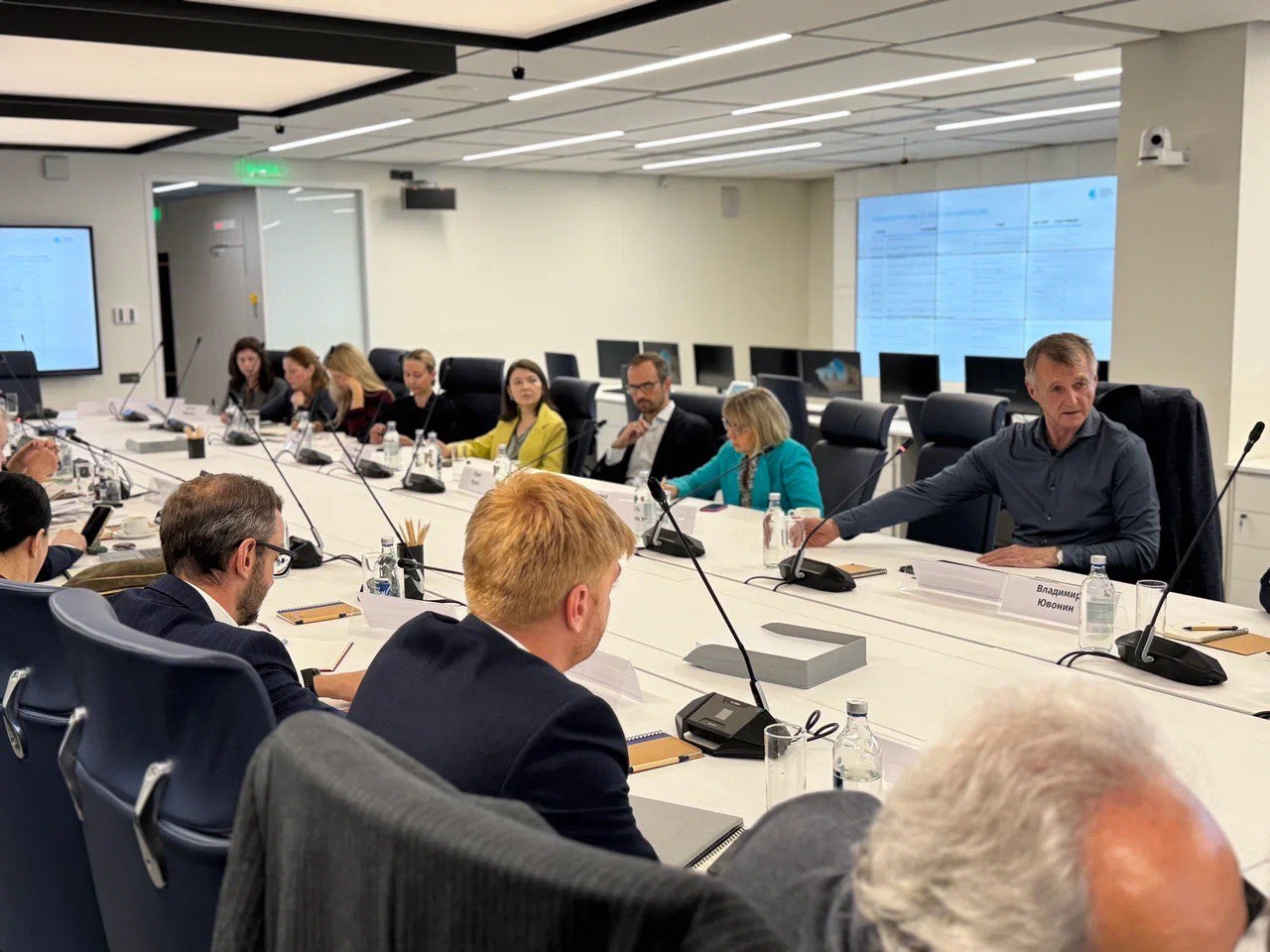
Mikhail Gitarsky (Russian Energy Agency, Ministry of Energy) emphasized the role of consolidating interests: "The goal of the partnership is to structure interest in climate projects and risks in order to achieve measurable results, leveraging the country's competencies and educational potential."
Maxim Kochetkov (Moscow Exchange) proposed strengthening the partnership's role for business: "The Climate Partnership could become an independent expert on climate leadership, develop criteria, and issue certificates, which would simplify the placement of sustainability bonds for companies and create a source of income for the organization."
Maxim Bortnikov (Gazprombank) noted the trend toward green consumer beh * avior: "It's important to understand how ecology relates to health and active longevity. We need to develop tools to encourage a green lifestyle to generate sustainable demand for low-carbon solutions."
Vadim Petrov (VNII Ecology) emphasized the importance of involving the regions in the agenda: "We have an untapped audience—regional authorities. I propose creating a unified knowledge aggregator for the regions and a pilot project on adaptation with the participation of financial institutions."
Artem Asatur (Aluminum Association) spoke about standardization and certification: "We support the idea of a voluntary 'green' certification system in Russia and are ready to engage companies and experts in its development, which meets the growing demand for eco-labels, including in friendly markets."
Andrey Cheshev (Vernadsky Environmental Foundation) emphasized the role of education: "We continue to develop environmental education with universities and schools, and we are forming a pool of experts to close the gap between theory and industrial needs."
Proposals voiced at the meeting included creating a climate leadership rating for companies, launching a voluntary environmental certification system, and holding master classes for students of various specialties. The possibility of creating a subscription to expert content was also discussed.
The working meeting confirmed the need to further develop the partnership to strengthen its role in the national and international climate agenda, transforming it into a key expert and communications center on this topic for businesses and the public in Russia.
Participants noted the importance of expanding the partnership's functions—to become a methodologist for the market, an educational platform, and a communication bridge for interaction between stakeholders within the country and with the international community.
Olga Sanarova (partnership coordinator, director of external relations at En+Group) noted, "The agenda has become increasingly relevant over the past ten years. New climate projects and validation bodies are emerging, and businesses' environmental spending is growing. It's now crucial to create a unified database where all experts can systematically contribute information. The partnership can serve as a methodology, a communication bridge, and an educational platform all in one. We want to pool knowledge and transform it into practical solutions for companies and the industry, and then disseminate it throughout the regions."
Irina Bakhtina (RUSAL/En+) emphasized the importance of an interdisciplinary approach: "The climate agenda concerns not only managers but also engineers, architects, designers, and insurers. It directly impacts the economics of enterprises and requires an expanded educational track."
Sergey Chestnoy (RUSAL) added: "The partnership is evolving from a discussion platform into an expert center for addressing pressing issues, including international ones. We continue to develop cooperation with the Indonesian Carbon Trading Association and see potential for establishing contacts with ASEAN."
Andrey Komendant (Earthwood) discussed the key areas of activity: "Participation in the partnership has been a significant milestone for us. We are ready to share case studies and methodological approaches to climate projects in Russia. The educational track is particularly important because there is a severe shortage of qualified personnel. We are also focused on international cooperation and filling our expert area with real content."
Mikhail Gitarsky (Russian Energy Agency, Ministry of Energy) emphasized the role of consolidating interests: "The goal of the partnership is to structure interest in climate projects and risks in order to achieve measurable results, leveraging the country's competencies and educational potential."
Maxim Kochetkov (Moscow Exchange) proposed strengthening the partnership's role for business: "The Climate Partnership could become an independent expert on climate leadership, develop criteria, and issue certificates, which would simplify the placement of sustainability bonds for companies and create a source of income for the organization."
Maxim Bortnikov (Gazprombank) noted the trend toward green consumer beh * avior: "It's important to understand how ecology relates to health and active longevity. We need to develop tools to encourage a green lifestyle to generate sustainable demand for low-carbon solutions."
Vadim Petrov (VNII Ecology) emphasized the importance of involving the regions in the agenda: "We have an untapped audience—regional authorities. I propose creating a unified knowledge aggregator for the regions and a pilot project on adaptation with the participation of financial institutions."
Artem Asatur (Aluminum Association) spoke about standardization and certification: "We support the idea of a voluntary 'green' certification system in Russia and are ready to engage companies and experts in its development, which meets the growing demand for eco-labels, including in friendly markets."
Andrey Cheshev (Vernadsky Environmental Foundation) emphasized the role of education: "We continue to develop environmental education with universities and schools, and we are forming a pool of experts to close the gap between theory and industrial needs."
Proposals voiced at the meeting included creating a climate leadership rating for companies, launching a voluntary environmental certification system, and holding master classes for students of various specialties. The possibility of creating a subscription to expert content was also discussed.
The working meeting confirmed the need to further develop the partnership to strengthen its role in the national and international climate agenda, transforming it into a key expert and communications center on this topic for businesses and the public in Russia.